
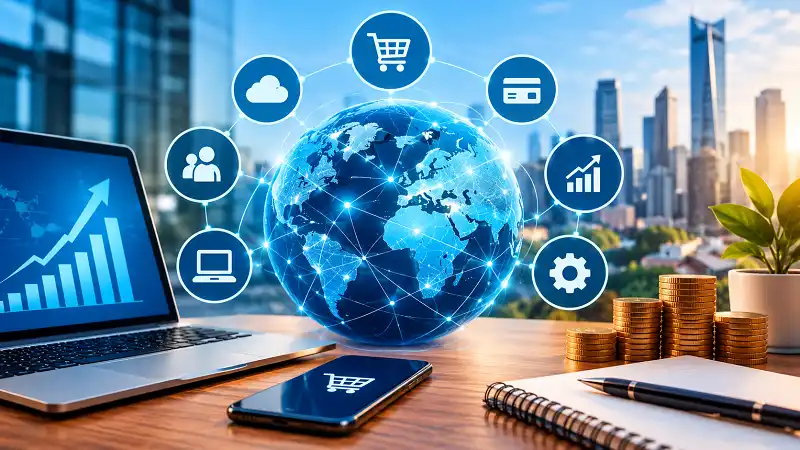
The modern economy is changing rapidly as technology, digital platforms, online services, and new business models become part of everyday life. Businesses and individuals are increasingly looking for better ways to manage resources, discover opportunities, and participate in a connected economic environment. In this changing landscape, ontpeconomy can be viewed as a concept associated with understanding modern economic activity through digital innovation, technology, and evolving financial opportunities.
What Is Ontpeconomy?
Ontpeconomy can be viewed as a broad concept that reflects the changing landscape of today’s digital economy.
It represents the relationship between technology, businesses, consumers, online platforms, and economic opportunities.
Traditional economies were heavily dependent on physical stores, local transactions, paper-based processes, and conventional financial systems. Today, many of these activities have moved online. People can purchase products, provide services, communicate with businesses, and manage financial activities through digital platforms.
This transformation has created an environment where technology plays an important role in economic participation. Understanding this environment can help individuals and businesses recognize how digital changes are influencing the way money, products, services, and information move around the world.
Why Digital Economies Are Becoming Important
The rapid expansion of the internet has transformed the way businesses operate and connect with customers.
A small company can now reach customers outside its local area without opening physical stores in every location. Online marketplaces, social media, websites, digital payment systems, and cloud-based software have made it easier for businesses to participate in larger markets.
For consumers, digital economies provide greater convenience. People can compare products, check reviews, interact with sellers, and make purchases online without needing to visit a physical store.
The increasing importance of digital services also creates new types of employment. Freelancing, remote work, online education, content creation, software development, and digital marketing are examples of activities that have expanded because of internet access.
In this environment, ontpeconomy reflects the broader shift toward economic systems where digital technology and online connectivity influence everyday commercial activities.
The Connection Between Technology and Economic Growth
Technology has always influenced economic development, but the speed of modern technological change is particularly significant. Artificial intelligence, automation, cloud computing, mobile applications, and data analytics are changing how organizations make decisions and serve customers.
Businesses can use digital tools to reduce repetitive work, analyze customer behavior, manage inventory, and improve communication. These capabilities can make organizations more efficient and allow them to focus resources on innovation and customer service.
Technology can also help entrepreneurs start businesses with fewer resources. A person with a useful idea can create a website, establish an online presence, and potentially reach customers across different regions.
However, technology alone does not guarantee success. Businesses still require quality products, effective management, dependable customer service, and a clear understanding of their target customers.
How Businesses Can Adapt to the Modern Economy
Businesses that want to remain competitive need to understand how customer expectations are changing. Consumers increasingly expect websites and online services to be convenient, fast, secure, and easy to use.
A strong digital strategy can include a professional website, social media presence, online customer support, digital marketing, and appropriate payment options. Businesses can also use analytics to understand which products and services customers prefer.
Small businesses can benefit particularly from these tools. Digital marketing can allow them to compete for attention without spending the same amount of money that traditional advertising might require.
The key is to use technology strategically rather than simply adopting every new trend. A business should select digital tools that solve real problems and provide measurable value.
The Role of Consumers in the Digital Economy
Consumers are not simply participants in the digital economy; they also influence its development. Every online purchase, search, review, subscription, and interaction contributes to the broader digital marketplace.
Customer preferences can encourage businesses to introduce new products or improve existing services. For example, increasing demand for online shopping has encouraged companies to improve delivery systems, digital payment options, and online customer service.
Consumers also play an important role by making thoughtful and well-informed purchasing decisions.Before purchasing a product or using an online service, they should consider the credibility of the provider, privacy policies, payment security, and available customer support.
Digital convenience should always be supported by awareness, careful consideration, and responsible choices.
Opportunities Created by Ontpeconomy
One of the most important advantages associated with ontpeconomy is the potential for new economic opportunities. Digital platforms can bring skilled individuals together with businesses or customers looking for their expertise.
Freelancers can provide writing, graphic design, programming, marketing, translation, and other services online. Entrepreneurs can create digital products and reach international audiences. Students and professionals can access online learning resources to gain new skills and expand their knowledge.
The digital economy can also reduce some geographical barriers. Someone living far from a major commercial center may still be able to access customers, educational resources, or employment opportunities through the internet.
Nevertheless, access to technology and reliable internet remains unequal in many parts of the world. Closing this digital divide is important if the benefits of digital economic development are to become more widely available.
Challenges Facing the Digital Economy
Although the digital economy offers many benefits, it also brings several important challenges. One of the biggest concerns is cybersecurity, as online systems and digital information can be vulnerable to security threats.
Businesses and consumers must protect accounts, payment information, and other sensitive data from unauthorized access.
Privacy is another major issue. Many digital platforms collect and store information about their users.Organizations therefore need responsible data-management practices and transparent privacy policies.
Digital inequality can also prevent some communities from benefiting fully from technological development. Limited internet access, expensive devices, and insufficient digital skills can make participation difficult.
Another challenge is the rapid pace of technological change. Skills that are valuable today may need to be updated as new technologies develop. Continuous learning is becoming increasingly important for both employees and businesses.
The Importance of Digital Skills
Digital skills are becoming an important part of economic participation. People do not need to become programmers or technology experts, but having a basic understanding of digital tools can be highly beneficial.
Important skills include online communication, cybersecurity awareness, information evaluation, digital collaboration, and responsible use of online platforms.
Businesses also need employees who can adapt to new software and technologies. Training programs can help workers remain productive as organizations introduce new systems.
Education therefore has an important role in preparing people for a changing economy. Schools, universities, businesses, and online learning platforms can all contribute to developing useful digital skills.
Future Trends in the Digital Economy
The future of the digital economy is likely to be influenced by artificial intelligence, automation, digital payments, cloud computing, and increasingly connected devices.
Artificial intelligence may help organizations analyze information, automate repetitive tasks, and develop new services. Automation could improve productivity in many industries while also changing the types of skills employers require.
Digital payment systems are also likely to continue developing as consumers seek convenient ways to purchase goods and services. At the same time, security and consumer protection will remain important considerations.
The future will probably not be completely digital. Instead, physical and digital economic activities are likely to continue working together. Successful organizations will be those that understand how to combine technology with human creativity, judgment, and customer relationships.
Why Understanding Ontpeconomy Matters
Understanding ontpeconomy can help people recognize the broader changes taking place in modern economic systems. Technology is influencing how businesses communicate, how consumers shop, how professionals work, and how entrepreneurs build new ventures.
Rather than viewing digital transformation as a temporary trend, it is useful to see it as an ongoing development. New technologies will continue to appear, and economic systems will continue adapting around them.
People who develop strong digital awareness can be better prepared to evaluate opportunities and challenges. Businesses that understand customer needs and use technology responsibly may also be better positioned to compete in changing markets.
Conclusion
The modern economy is becoming increasingly connected through technology, online platforms, digital services, and global communication. This transformation creates opportunities for businesses, workers, entrepreneurs, and consumers while also introducing challenges related to privacy, security, inequality, and changing skills.
Ontpeconomy provides a useful way to discuss this broader movement toward technology-driven economic activity. Its importance comes from the way digital tools are changing traditional ideas about commerce, employment, communication, and access to markets.
As technology continues to evolve, digital awareness will become even more valuable. Individuals and organizations that remain adaptable, learn new skills, protect their information, and use technology responsibly can participate more effectively in the changing economic landscape. Ultimately, the future of the economy will depend not only on technological innovation but also on how people and businesses choose to use that innovation.